









Connecting Semiconductor Equipment with EAP Systems via SECS/GEM


In the semiconductor, electronics, and photovoltaic industries, large numbers of equipment units require connectivity with EAP systems via SECS/GEM protocol.
Common equipment integration requirements fall into these categories:
1. Production process automation: EAP issues commands for program switching, barcode/RFID tag collection, FOUP auto-loading/unloading, and wafer processing automation, minimizing manual handling and operator intervention while maximizing efficiency and minimizing costs.
2. Production data collection: Active or passive transmission of production parameters to EAP via SECS/GEM protocol.
3. MES integration: Through SECS/GEM protocol integration, transparent, efficient, and timely data upload to MES enables enterprises to optimize production processes, reduce manufacturing cycle times, and improve efficiency.
Below is a typical semiconductor industry system integration architecture diagram:
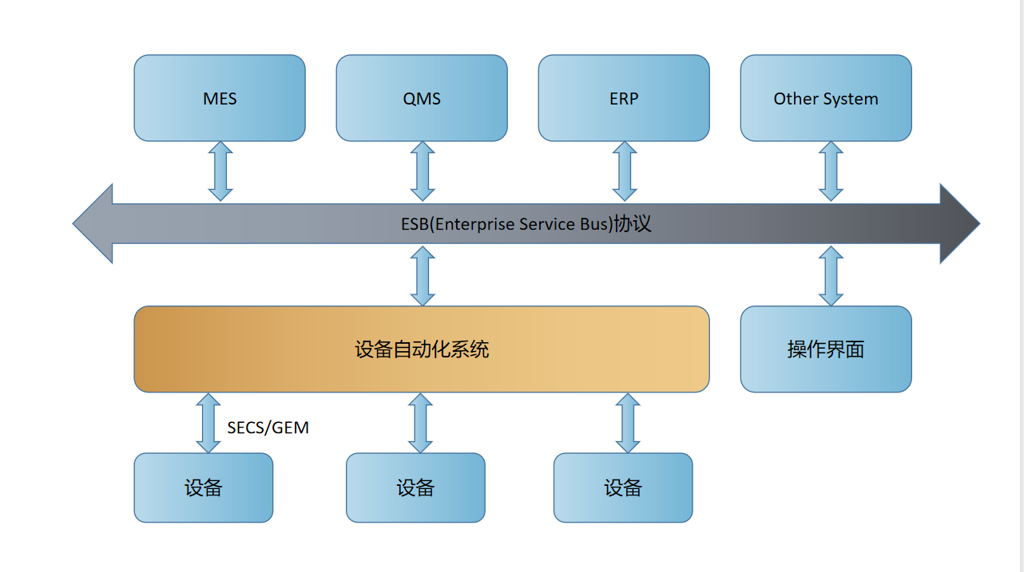
Among numerous equipment manufacturers, software interfaces vary in openness. Unified integration is a critical challenge every semiconductor fab must address. Hegong Software has received many such integration requests. To solve these problems, we developed the HG SECS/GEM Integration Platform, which enables easy integration of various equipment brands with factory EAP systems.
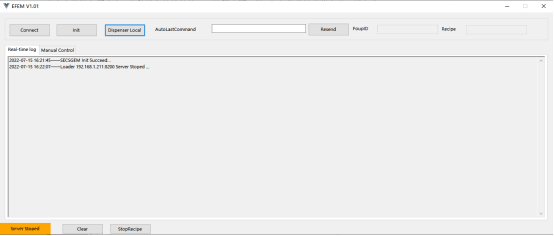
SECS/GEM is standardized by SEMI. SECS stands for Semiconductor Equipment Communication Standard, while GEM refers to the SEMI E30 standard, which uses a subset of SEMI E5 message types to describe a common model of equipment behavior and communication.
The SECS/GEM communication process involves: 1) Equipment establishes connection with EAP, then operator places FOUP on equipment; 2) Equipment sends LoadPort Arrive signal to EAP along with RFID barcode data collected from the equipment; 3) EAP validates FOUP availability and process match, then sends Load FOUP command; 4) Equipment scans SLOT_MAP for each slot and sends results to EAP along with all production programs; EAP selects the current production program; 5) When production starts, the equipment signals EAP which returns production permission.