








SMT Workshop Placement Machine Feeder Management Solution


Feeders are essential components of SMT placement machines. Their operational status directly impacts production quality and stability. Effective management is an issue every workshop supervisor must address. According to industry big data analysis, approximately 30% of placement machine downtime and 1% of material waste are caused by inadequate feeder maintenance or repair.
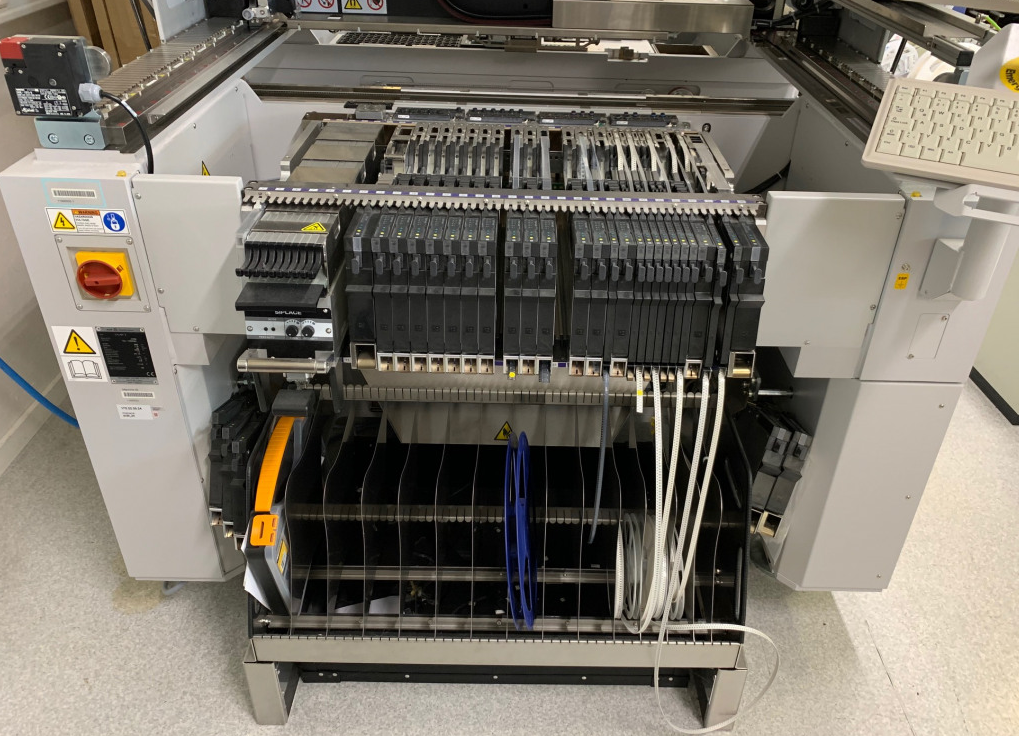
Currently, the most common management method is through Excel spreadsheets or paper documents. Due to accuracy and timeliness issues, this approach often leads to ineffective feeder control, which is a pain point for most factories. Following Toyota lean production methods, using information software to solve these problems is the mainstream approach adopted by leading SMT enterprises. We at Shanghai Hegong Software have developed a full lifecycle management software called HG Feeder Manager for the electronics industry, supporting feeders from ASM, Panasonic, GSM, Fuji, JUKI and other common placement machines. Key features include Feeder status monitoring, maintenance, repair, spare parts management, and maintenance reporting.
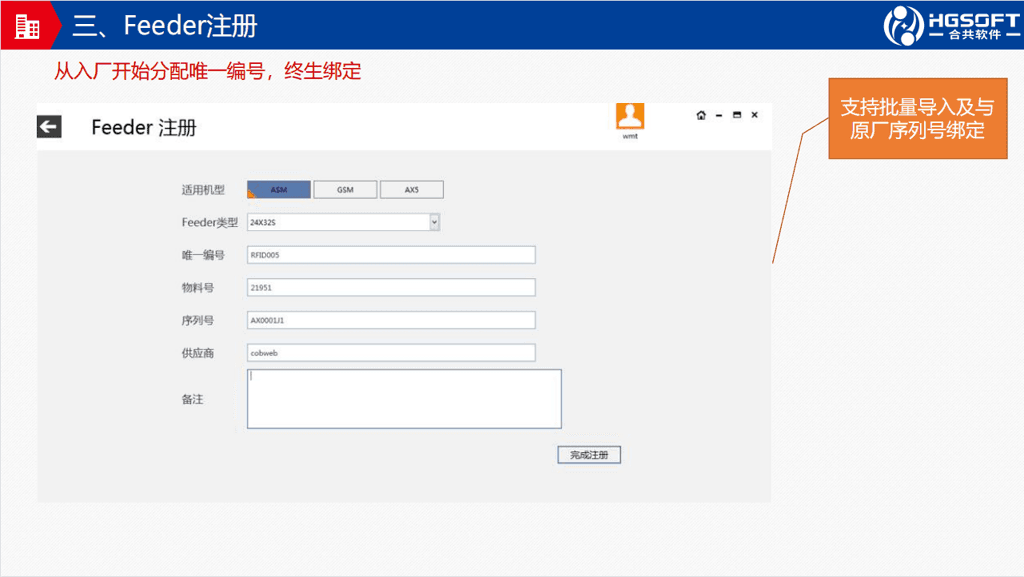
I. Feeder Registration
Each feeder must be registered upon factory entry and assigned a unique UID. Two allocation methods are supported: using the feeder''s original barcode, or system-assigned barcode printed and affixed to the feeder. Batch import of existing feeder barcodes is also supported.
II. Maintenance
Timely maintenance is a critical prerequisite for normal placement machine operation. Industry statistics show that most feeder throwing, jamming, and material interruptions are caused by overdue maintenance. Our solution defines maintenance cycles and plans for each feeder type, with different items, timing, and cycles per type. A key step is defining maintenance items such as cleaning the work compartment, which guides engineers during execution.
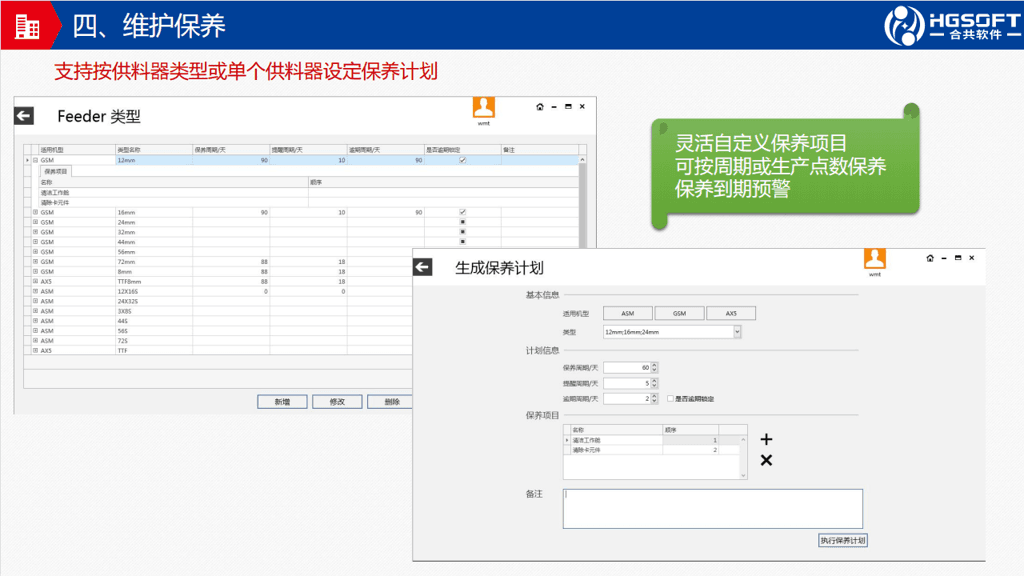
In addition to time-based maintenance, placement count-based maintenance is also supported. Users are forced to perform maintenance when a threshold is reached. Placement counts can be obtained either directly from equipment interfaces or calculated theoretically from production plans.
If an ASM feeder has a 60-day maintenance cycle, the system generates maintenance plans every 60 days within a configurable range. The system also provides due and overdue reminder functionality. Due reminders trigger alarms and emails when a feeder approaches its maintenance deadline. Overdue reminders (e.g., 2 days past due) push emails to notify relevant personnel.
III. Feeder Repair
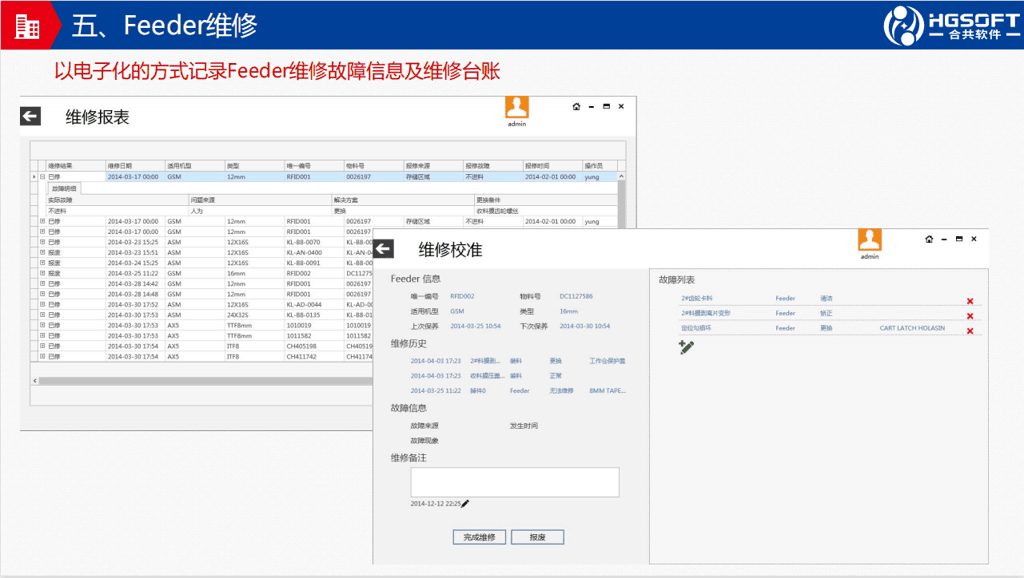
Feeders may become damaged during production and require repair. The system records repair processes and data for subsequent analysis and diagnosis. Repair records include basic feeder information, fault source, fault list, and repair methods. For example, gear jamming may be caused by contamination requiring cleaning. This repair method is recorded, and over time the repair list forms a knowledge base. For similar future issues, selecting a fault automatically retrieves relevant repair methods. The system also displays all repair history for quick analysis by engineers. Repeated repairs for the same cause may indicate deeper underlying issues. If a feeder is deemed unrepairable, the system supports scrapping. Once scrapped, scanning the feeder barcode triggers an alarm.
IV. Feeder Location Tracking
For intelligent feeders, the system supports equipment interface integration to track feeder location. Engineers needing to find a feeder due for maintenance can quickly locate its specific position on the production line.
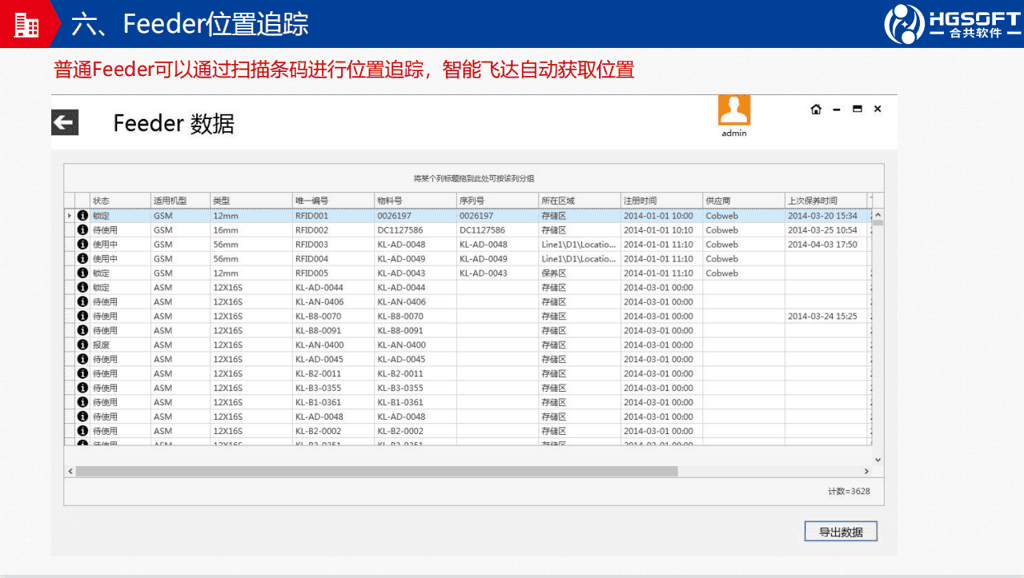
The tracking interface shows two main categories: feeders manually moved to storage, and feeders in use showing detailed line, equipment, and station information plus last maintenance timestamps.
V. Mandatory Error-Proofing
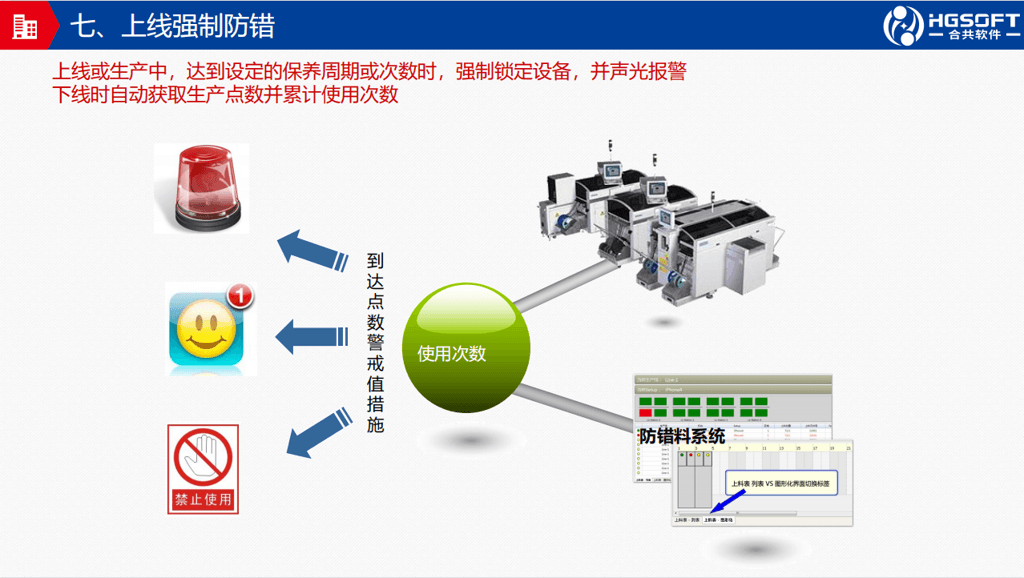
For overdue, scrapped, or otherwise abnormal feeders, the system supports locking the placement machine for mandatory error-proofing. Two methods are available: first, if the equipment has a stop interface, abnormal feeder detection triggers lock commands via the interface. Second, for older equipment without interfaces, Hegong Software''s HG SMARTBOX intelligent hardware connects to the SMEMA rail line to lock the rail. Equipment locking can also trigger Andon alarms to notify engineers.
VI. Data Reports
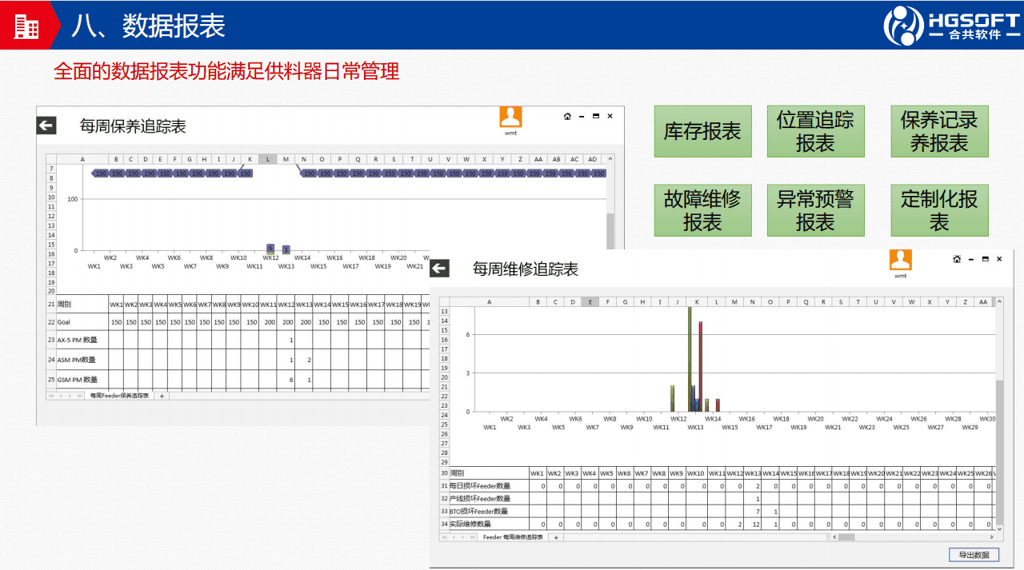
Beyond comprehensive management workflows, the system provides rich data reports for daily management, including Feeder inventory, location tracking, maintenance records, fault repair records, and anomaly alerts. Custom reports can also be developed upon request.
VII. Mobile Terminal
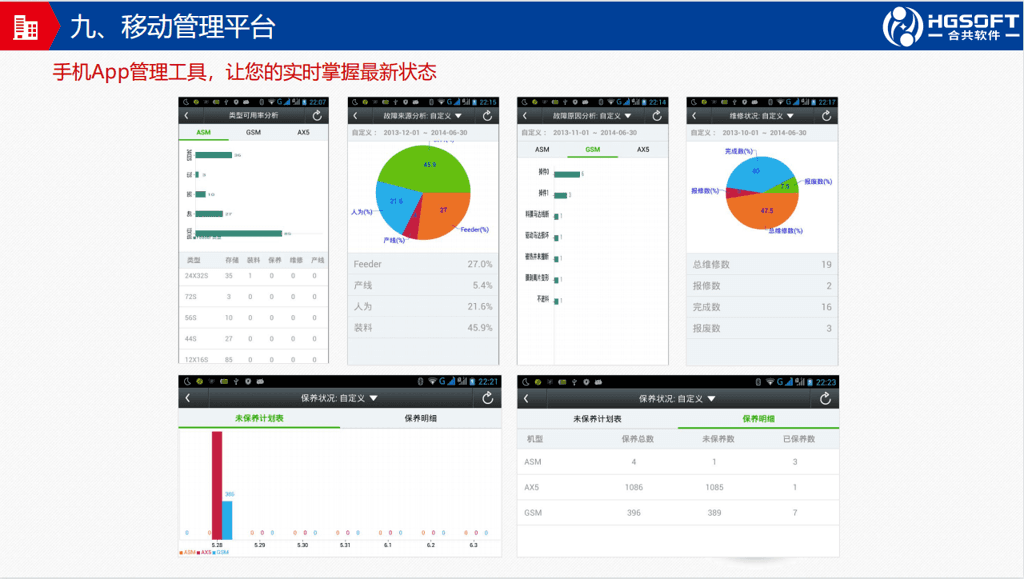
For more efficient feeder management, the system supports mobile APP management. After installing the mobile Feeder management application, users can view maintenance plans, details, repair records, and current feeder status in real-time.